Why Dakloni Masala Is Betting on Dry Fruits Alongside Its Traditional Spice Range
 maniv
maniv
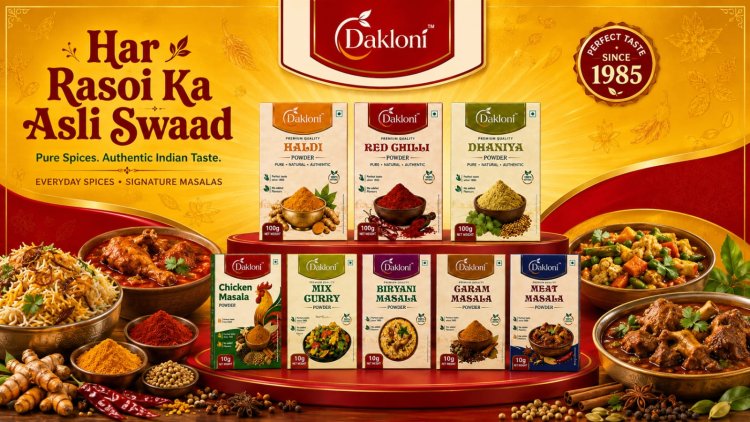
Spices have always been the core of Dakloni Masala's business since the brand's founding in Odisha in 1983, but its product range today extends beyond the spice rack into a curated selection of dry fruits — cashews, almonds, walnuts, pistachios and raisins. The move reflects a broader pattern among Indian pantry brands: pairing everyday cooking essentials with nutrient-dense snacking and garnishing staples that Indian households already buy regularly, often around festivals, gifting occasions and daily diet routines.
Dry Fruits as a Kitchen and Diet Staple
In Indian households, dry fruits sit at the intersection of tradition and nutrition. They are used in sweets during festivals, added as garnishes to curries and desserts, packed into lunchboxes as snacks, and increasingly recommended by nutritionists as part of a balanced daily diet. Dakloni Masala's decision to stock a dry fruits range alongside its spices taps into this dual demand — for both culinary use and general wellness snacking.
What Each Dry Fruit Brings to the Table
- Almonds — widely recognised for supporting heart health and brain function, and commonly eaten as a daily snack in Indian households.
- Walnuts — valued for their distinctive texture and their reputation as one of the more nutrient-dense tree nuts.
- Cashews — a softer, creamier nut frequently used in Indian gravies and sweets, as well as standalone snacking.
- Pistachios — known for their plant-based protein content and are popular in both sweet and savoury Indian preparations.
- Raisins — small dried grapes commonly used to add natural sweetness to dishes, desserts and trail mixes, while contributing iron and potassium.
Nutrition Meets Convenience
Part of the appeal of dry fruits, from a consumer standpoint, is that they require no preparation — unlike many fresh ingredients, they can be eaten straight from the pack, added directly to a dish, or used as a quick garnish. For time-pressed households, this convenience factor sits alongside the nutritional value, making dry fruits a category that fits naturally into a modern pantry brand's offering, much like Dakloni Masala's ready-to-use spice powders.
Complementing the Spice Range, Not Competing With It
Dakloni Masala's core business remains its spice line-up: Turmeric Powder, Red Chilli Powder, Kashmiri Red Chilli Powder, Garam Masala, Garlic Powder and Onion Powder. The dry fruits range is positioned as a complementary category rather than a replacement focus, allowing the brand to serve a customer's full pantry needs in a single order rather than requiring separate purchases from different specialty sellers.
Organic and Hygiene Claims Extend Across the Range
The same quality positioning that Dakloni Masala applies to its spices — organic sourcing and strict hygiene during processing and packaging — is carried through to its dry fruits selection as well. For a product category that is consumed largely without cooking, hygienic handling and packaging integrity matter significantly to how comfortable customers feel ordering online rather than selecting produce in person at a store.
A Single Brand for the Everyday Pantry
By combining spices and dry fruits under one brand, Dakloni Masala is positioning itself as a single destination for Indian pantry essentials, rather than a narrow single-category spice seller. This is a strategy increasingly used by D2C food brands in India, where customer acquisition costs make it more efficient to sell a wider basket of complementary products to an existing, trusting customer base than to repeatedly find new customers for a single product line.
Backed by Green Chocy Pvt Ltd
Dakloni Masala's spice and dry fruits range is operated under parent company Green Chocy Pvt Ltd, which manages sourcing, quality control and the brand's direct-to-consumer sales strategy through its own websites.
How to Bring Dry Fruits Into Daily Meals
Beyond straightforward snacking, dry fruits from a range like Dakloni Masala's are commonly worked into daily meals in small, simple ways — a few chopped almonds or pistachios stirred into a bowl of dalia or oats at breakfast, raisins soaked and added to rice dishes, or a mix of cashews and walnuts used to finish off a vegetable curry with added texture and richness. Because none of these uses require any cooking of the dry fruits themselves, they fit easily into busy routines where a household wants added nutrition without extra preparation time.
A Category Increasingly Bought With Intention
Where dry fruits were once bought mainly around festivals as gifting items, Indian households are increasingly purchasing them as a regular part of monthly grocery shopping, driven by growing awareness of their nutritional value. This shift in buying behaviour — from occasional to routine — is part of what makes dry fruits a logical category extension for a spice brand like Dakloni Masala, since both categories now share the same repeat-purchase, pantry-restocking behaviour rather than one being tied to festivals and the other to everyday cooking.
Where to Buy
Customers can explore the full Dakloni Masala range and place orders directly through the brand's official websites:
The brand also maintains an active presence on social media:
As more Indian consumers look for pantry brands that combine everyday cooking essentials with health-oriented snacking options, Dakloni Masala's pairing of traditional spices with a dry fruits range reflects where a growing part of the category is heading — convenience, nutrition and tradition served from a single, trusted source.